- Free Consultation: (615) 851-1888 Tap Here to Call Us






Do You Have to Roll Your Window All the Way Down for Police in Tennessee?


Introduction
You get pulled over.
The officer walks up to your car.
Now you’re wondering:
“Do I have to roll my window all the way down?”
It sounds like a small question — but during a traffic stop, small decisions matter.
And many people are surprised by what the law actually requires.
The Short Answer
No Tennessee law specifically says you must roll your window completely down during a traffic stop.
However:
👉 You do need to reasonably communicate with the officer and provide required documents.
That usually means lowering the window enough to:
- communicate safely
- hand over your license
- provide registration and insurance
Why This Issue Comes Up
Many drivers today are concerned about:
- safety
- privacy
- unnecessary questioning
- roadside escalation
Some drivers prefer to keep the window only partially lowered during encounters with police.
What Police Typically Expect
Officers generally expect drivers to:
- lower the window
- communicate clearly
- provide identification documents
If communication becomes difficult, the situation can escalate unnecessarily.
The Biggest Mistake People Make
Turning a routine stop into a roadside argument.
People often start debating:
- constitutional rights
- recording laws
- window position
- officer authority
That rarely helps in the moment.
What You ARE Required to Provide
During a lawful traffic stop in Tennessee, drivers are generally required to provide:
- driver’s license
- registration
- proof of insurance
Failure to provide required documentation can create additional issues.
What You Are NOT Required to Do
You are NOT required to:
- answer investigative questions
- explain where you’ve been
- discuss whether you’ve been drinking
- consent to searches
You still have constitutional protections under the
Fifth Amendment to the United States Constitution
The Smart Approach
Keep the encounter calm and simple.
Provide required documents.
Then say:
“I don’t answer questions.”
Why This Matters in Nashville
In Nashville and throughout
Davidson County, Tennessee
many criminal cases begin with ordinary traffic stops.
And roadside interactions are often recorded through:
- bodycams
- dashcams
- cellphone videos
What you say — and how you behave — can affect your case later.
The Reality
The goal during a traffic stop is not to “win” the argument roadside.
The goal is:
👉 protect your rights
👉 avoid escalation
👉 avoid creating evidence against yourself
The Bottom Line
- No law specifically requires your window to be fully lowered
- You must still communicate and provide required documents
- You do NOT have to answer investigative questions
Your safest move:
“I don’t answer questions.”
About the Author
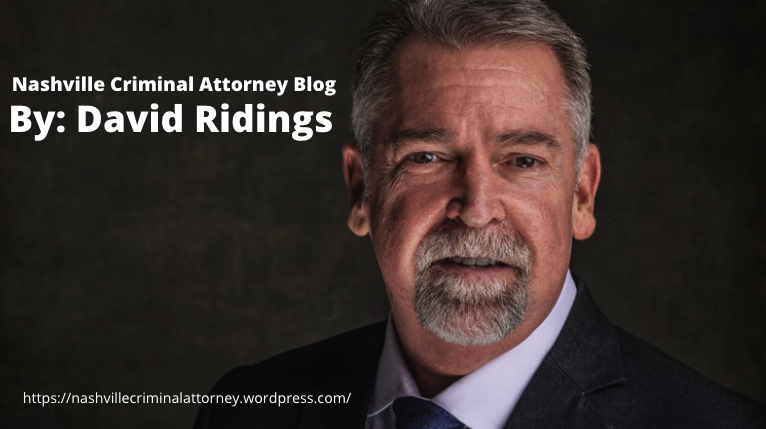
David G. Ridings is a Nashville criminal defense attorney with almost 30 years of criminal defense experience and nearly 40 years on every side of the criminal justice system.
He is a former Metro Nashville Police Officer, former prosecutor, and has served as a Night Court Judicial Magistrate since 2023.
Known online as DrJudge, he has educated hundreds of thousands of people about their rights during police encounters — and has literally written the book on the subject, “I Don’t Answer Questions.”
Call to Action
If you’ve been stopped, searched, or charged:
👉 Don’t talk. Call 1-888-DRJUDGE
What happens during a traffic stop can affect your entire case.
Contact Us Now