- Free Consultation: (615) 851-1888 Tap Here to Call Us







Can You Legally Record the Police in Tennessee? (Yes — But Know the Limits)


Introduction
You see a police encounter happening.
Maybe it involves you.
Maybe it involves someone else.
You pull out your phone and start recording.
Can police stop you?
Can you legally record officers in Tennessee?
This issue comes up constantly — especially in the age of bodycams, livestreams, and viral videos.
The Short Answer
Yes — in general, you have the right to record police officers performing their duties in public.
This right is tied to protections under the
First Amendment to the United States Constitution
Courts across the country have repeatedly recognized the public’s right to document police activity in public spaces.
Where You Can Record
You can generally record police when:
- you are lawfully present
- the interaction occurs in public
- you are not interfering with officers
Examples include:
- traffic stops
- sidewalk encounters
- arrests in public
- public protests
What Police CANNOT Generally Do
Police generally cannot lawfully order you to stop recording simply because they dislike being filmed.
They also generally cannot:
- seize your phone without legal justification
- force you to delete footage
- arrest you solely for recording from a lawful location
The Important Limitation: Interference
Here’s where people get into trouble.
You cannot interfere with police duties while recording.
That means:
- physically obstructing officers
- getting too close during active situations
- refusing lawful safety commands
Recording is protected.
Interference is not.
Tennessee Is a One-Party Consent State
Tennessee is generally considered a
one-party consent
state for audio recording.
That means if you are part of the conversation, you can generally record it without informing the other person.
The Biggest Mistake People Make
They turn recording into confrontation.
People start:
- yelling constitutional arguments
- escalating roadside encounters
- trying to provoke reactions for social media
That often creates more problems than it solves.
The Smart Approach
If you choose to record:
- stay calm
- keep a safe distance
- comply with lawful safety commands
- avoid escalating the encounter
And most importantly:
👉 stop talking unnecessarily
Why This Matters in Nashville
In Nashville and throughout
Davidson County, Tennessee
video evidence has become a major part of criminal defense.
That includes:
- bodycam footage
- dashcam footage
- civilian cellphone videos
In many cases, video becomes the most important evidence in court.
The Reality
Recording can protect:
- your rights
- your version of events
- your defense later
But how you behave while recording still matters.
The Bottom Line
- You generally have the right to record police in public
- Police usually cannot stop lawful recording
- You cannot interfere with officers while doing so
Your safest move during any police encounter:
“I don’t answer questions.”
About the Author
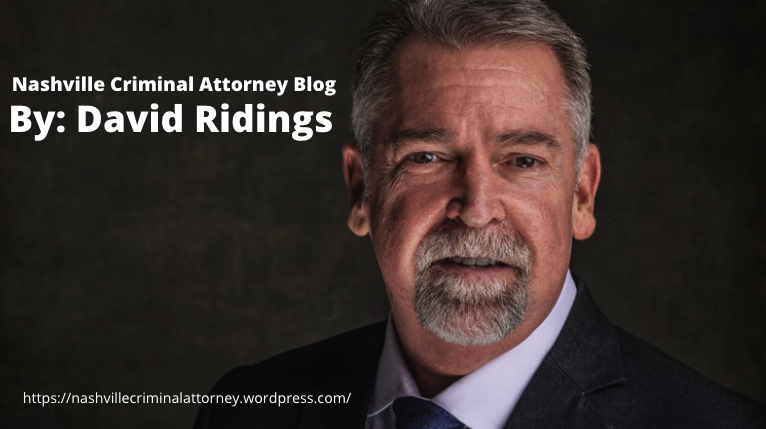
David G. Ridings is a Nashville criminal defense attorney with almost 30 years of criminal defense experience and nearly 40 years on every side of the criminal justice system.
He is a former Metro Nashville Police Officer, former prosecutor, and has served as a Night Court Judicial Magistrate since 2023.
Known online as DrJudge, he has educated hundreds of thousands of people about their rights during police encounters — and has literally written the book on the subject, “I Don’t Answer Questions.”
Call to Action
If you were arrested during a police encounter or your rights were violated:
👉 Don’t talk. Call 1-888-DRJUDGE
Video evidence can change everything in a criminal case.
Contact Us Now