- Free Consultation: (615) 851-1888 Tap Here to Call Us







Can Police Stop You at a DUI Checkpoint in Tennessee? The Truth About Roadblocks


Introduction
It’s a holiday weekend in Tennessee—maybe the 4th of July or Labor Day. You are driving home after a barbecue, obeying the speed limit, and keeping your vehicle perfectly inside your lane.
Suddenly, traffic slows to a crawl. Up ahead, you see bright floodlights, orange cones, and police cruisers blocking the highway. A large illuminated sign reads: “SOBRIETY CHECKPOINT AHEAD.”
As you inch closer, an officer waves you to stop, shines a flashlight into your car, and asks: “Have you had anything to drink tonight? Let me see your license.”
You haven’t committed a single traffic violation. You aren’t driving erratically. Can the police constitutionally stop your vehicle without any reasonable suspicion that you’ve done something wrong? In Tennessee, DUI roadblocks are a massive exception to standard constitutional rights, but law enforcement must follow a strict set of rules to make them legal.
The Short Answer
Yes—DUI checkpoints and sobriety roadblocks are legal in Tennessee.
However, under the landmark Tennessee Supreme Court ruling in State v. Downey, police cannot simply set up a roadblock whenever and wherever they want. To bypass your constitutional right against unreasonable seizures, the police department must strictly follow a rigid set of administrative procedures. If officers cut corners or violate the Downey standards, the roadblock is completely unconstitutional, and any DUI arrest that comes from it can be thrown out of court.
The Golden Rule
If you are funneled into a DUI checkpoint, you must stop your vehicle, but you do not surrender your Fifth Amendment rights:
Have your driver’s license, registration, and insurance ready. Hand them to the officer and say: “Officer, here are my documents. I am exercising my right to remain silent, and I politely decline to answer any questions or perform any voluntary tests.”
Never admit to coming from a bar, and never agree to step out and perform roadside coordination exercises.
The Law: The State v. Downey Constitutional Test
Under the Fourth Amendment of the U.S. Constitution and Article I, Section 7 of the Tennessee Constitution, police generally cannot pull you over unless they have “reasonable suspicion” that you are committing a crime.
A roadblock is a “suspicionless stop.” In 1997, the Tennessee Supreme Court ruled in State v. Downey that while these suspicionless stops are intrusive, the state has a “compelling interest” in keeping drunk drivers off the road.
But to protect citizens from being harassed by arbitrary police power, the Court established a strict balancing test. For a roadblock to be lawful, it must be operated to minimize the risk of arbitrary intrusion and limit the discretion of the officers standing on the street.
The 4 Strict Rules Police MUST Follow
To survive a constitutional challenge in court, a Tennessee roadblock must meet these specific criteria:
- Advance Publicity: Police must notify the public in advance that a checkpoint will be occurring (usually by publishing the date and county in a local newspaper or on the agency’s website).
- Supervisory Control: The decision to set up the roadblock cannot be made by a patrol officer in the field. It must be planned and authorized by high-ranking supervisory personnel who establish a clear administrative plan.
- Neutral Stopping Formula: Officers on the street cannot pick and choose who to stop. The administrative plan must dictate a neutral mathematical formula—for example, stopping every single car, or stopping every third car if traffic gets backed up.
- Safety and Visibility: The checkpoint must be established in a safe location with adequate warnings, flashing lights, and clear signs so drivers are not taken by surprise and can stop safely.
How Officers Turn Legal Checkpoints into Illegal Traps
Checkpoints frequently get thrown out of court because police departments get sloppy.
- The “Field Discretion” Trap: If the supervisor goes home and the patrol officers decide on their own to change the stopping pattern from “every car” to “only cars that look suspicious,” the roadblock instantly becomes unconstitutional.
- The “Bait and Switch”: Police cannot set up a “driver’s license checkpoint” as a legal subterfuge just to run drug dogs around every car. The stated purpose of the checkpoint must match the actual operational procedure.
What You Should Do at a Checkpoint
- Be prepared: Roll down your window just enough to hand over your documents. Have them ready before you reach the officer so you aren’t fumbling around (which officers will document as a sign of impairment).
- Stay polite but firm: You are required to stop, but you are not required to engage in a conversation about your evening plans.
- Refuse field sobriety tests: If the officer claims they smell alcohol and asks you to pull over to a secondary screening area, politely refuse all voluntary eye tests, walk-and-turn tests, and portable breath tests.
What NOT to Say
Avoid these common self-incrimination traps:
- ❌ “I only had one beer with dinner a few hours ago.” (This gives them instant probable cause to pull you out of the car).
- ❌ “Why are you stopping me? This violates my rights!” (Arguing at the window achieves nothing and escalates the encounter).
- ❌ “I’m just trying to get home, I live two blocks away.”
Why This Matters
Many people assume that if they are arrested for DUI at a checkpoint, they are automatically guilty. This is completely false. A skilled criminal defense attorney will immediately subpoena the police department’s administrative plan, the supervisor’s authorization forms, and the advance publication records. If the state failed to strictly comply with the State v. Downey guidelines, your attorney can file a Motion to Suppress Evidence, which can result in the entire stop being ruled unconstitutional and your DUI charges being completely dismissed.
About the Author
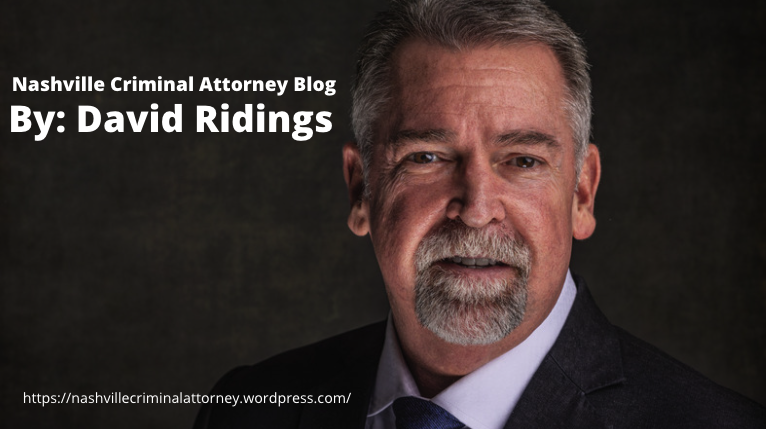
David G. Ridings is a Nashville criminal defense attorney, former police officer, and former prosecutor with nearly 40 years of experience in the Tennessee justice system. Known as “DrJudge,” he educates hundreds of thousands about their rights during police encounters.
Call to Action
If you were arrested for DUI or drug possession at a Tennessee roadblock or sobriety checkpoint:
👉 Don’t talk. Call 1-888-DRJUDGE
🔥 SEO SETUP (USE THIS)
Focus Keyphrase
Tennessee DUI checkpoint laws
Slug
/tennessee-dui-checkpoint-laws-state-v-downey
Meta Description
Are DUI checkpoints and roadblocks legal in Tennessee? Learn the State v. Downey constitutional rules, police requirements, and how to defend your rights.
Secondary Keyphrases (sprinkle naturally)
- State v Downey Tennessee roadblock law
- are sobriety checkpoints constitutional in TN
- Fourth Amendment DUI roadblock rules Tennessee
- illegal checkpoint defense attorney Nashville TN
Contact Us Now